
Headcount decides which items earn a spot on your checklist: at 15 or more guests, it’s worth getting quotes for someone to greet, pour and clear, while a smaller group can run on friends who each own one job.
The ideas here run from balloons and streamers for a bare wall to a signature cocktail with its own little sign.
1. Choose a Theme
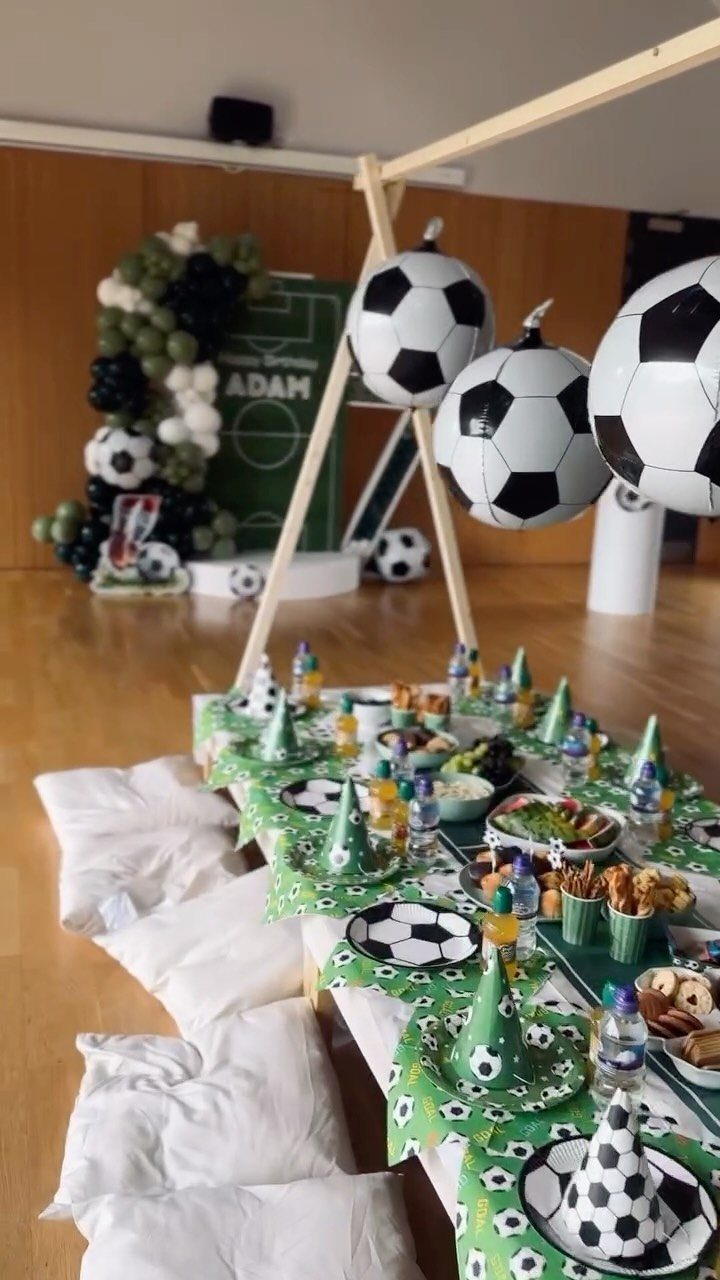
Pick the theme before anything else gets bought, because it settles the plates, balloons and games in one decision.
A soccer party like this one runs on a single color, green, so every other purchase has an easy test: does it fit?
Write the theme at the top of your list, then add 3 lines under it: decor, tableware, activity. Anything that fits none of them stays off the shopping list.
2. On-the-Day Checklist
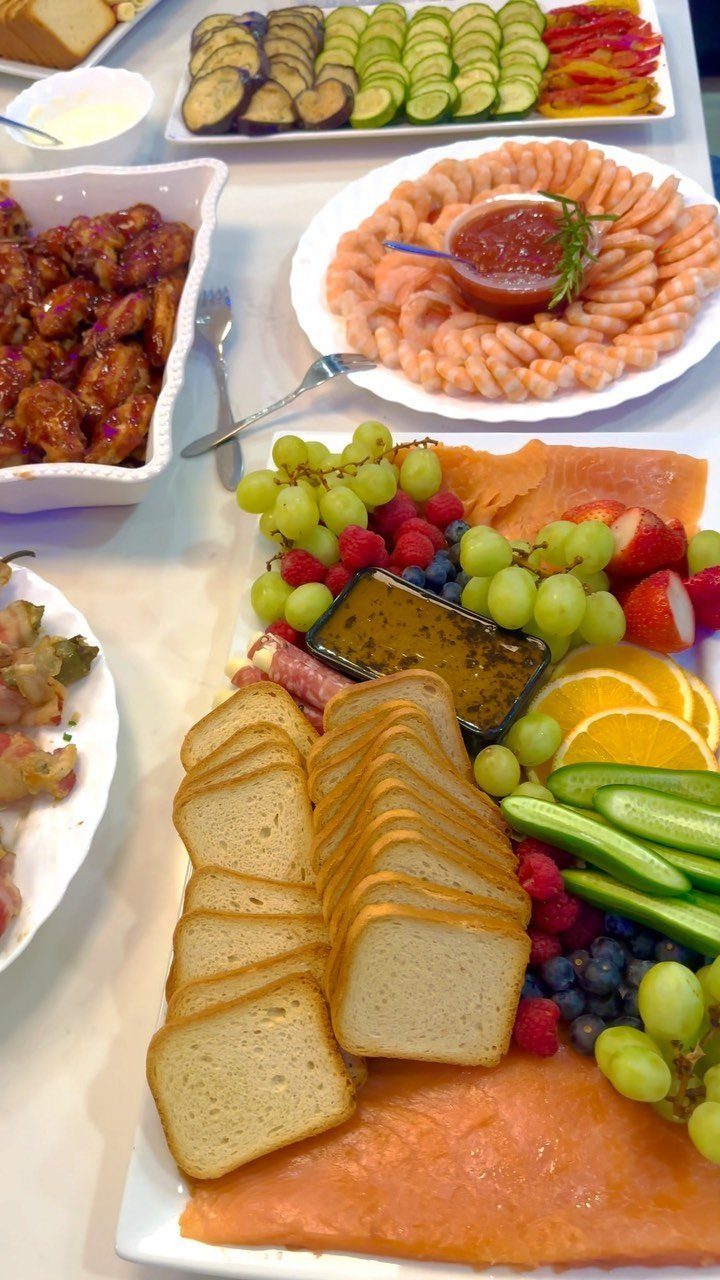
Lay out your serving dishes, platters and utensils the evening before, so each one is already waiting when the food is ready.
Lay each platter, bowl and utensil on the table with a sticky note naming what goes in it, and the morning of the party becomes filling instead of hunting for a big enough tray.
Shrimp, smoked salmon and cut vegetables are the cold items, so I keep them in the fridge until guests arrive. Set out spoons and tongs too; a platter with no way to serve from it gets eaten with fingers.
3. Plan the Menu

Food shapes how guests remember a party, so the menu deserves its own line on your checklist. List every dish, mark which ones you make and which you buy, and match at least one to your theme.
I like this kind of dish: cheap, small and easy to make a day ahead.
4. Set Up Food and Drink Stations
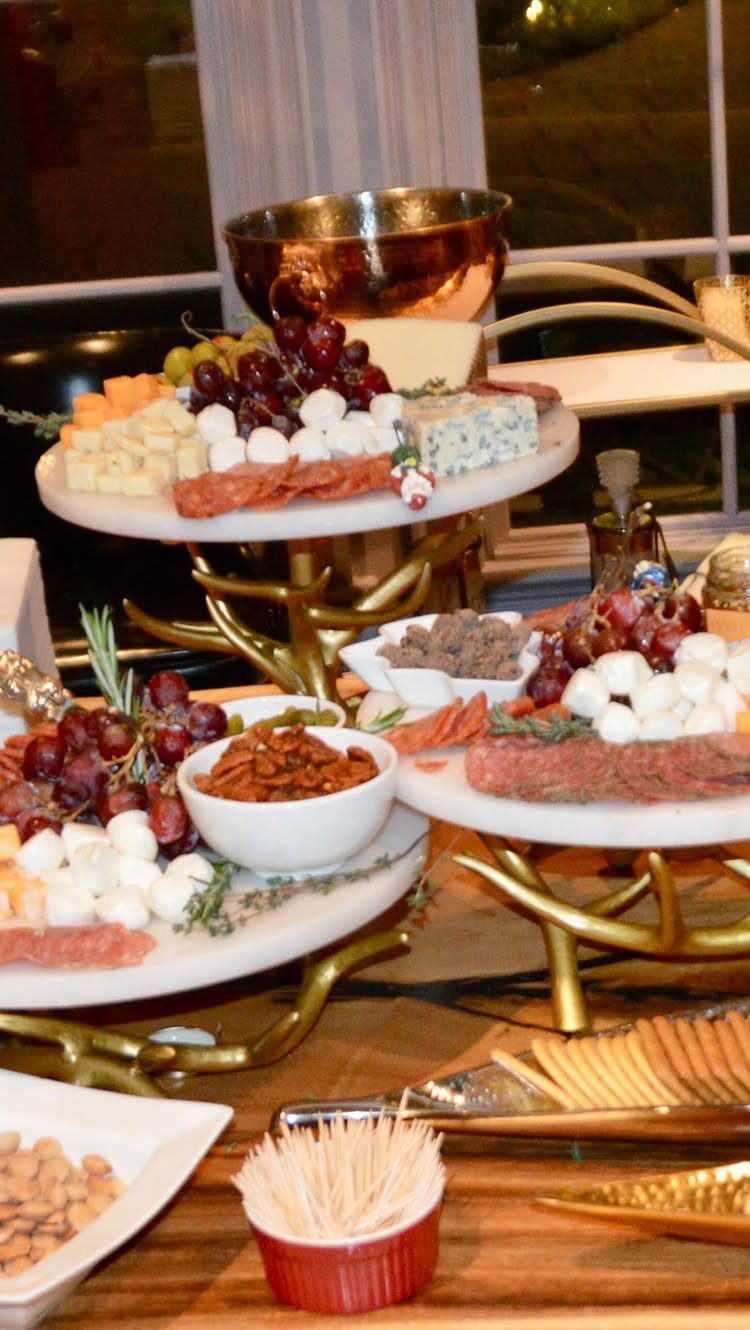
Stations work when guests can reach food without crossing each other’s path. Group by type: one table for charcuterie and cheese, a separate spot for drinks, and plates and napkins at the start of the line, not the end.
Tiered stands like these gold ones add height, so more food fits on a small table.
5. Use Name Tags
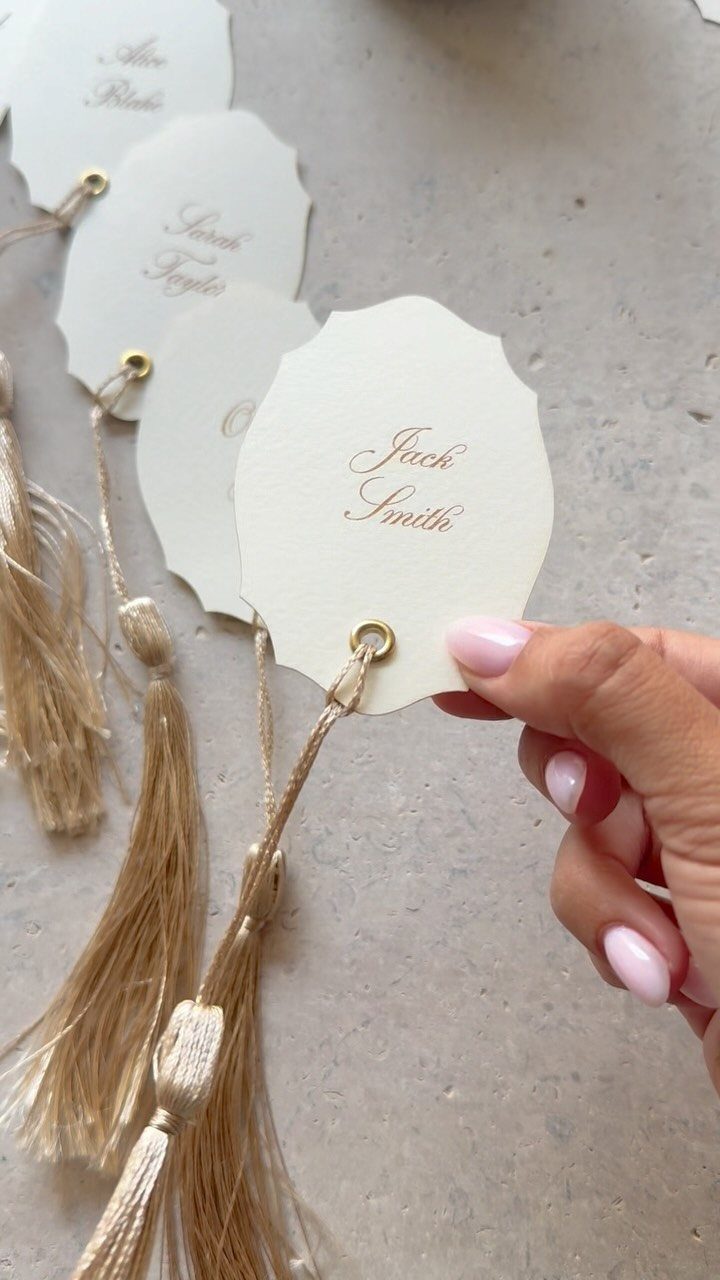
A name tag does the awkward first job for you: guests can say "Hi, Jack" without asking twice. Write names in large, dark ink so they read from arm’s length.
Gold script on a white scalloped tag looks polished, but for a casual party, plain sticker labels work just as well. Print or write them all ahead of time and set them in alphabetical order by the door.
6. Create a Party Program
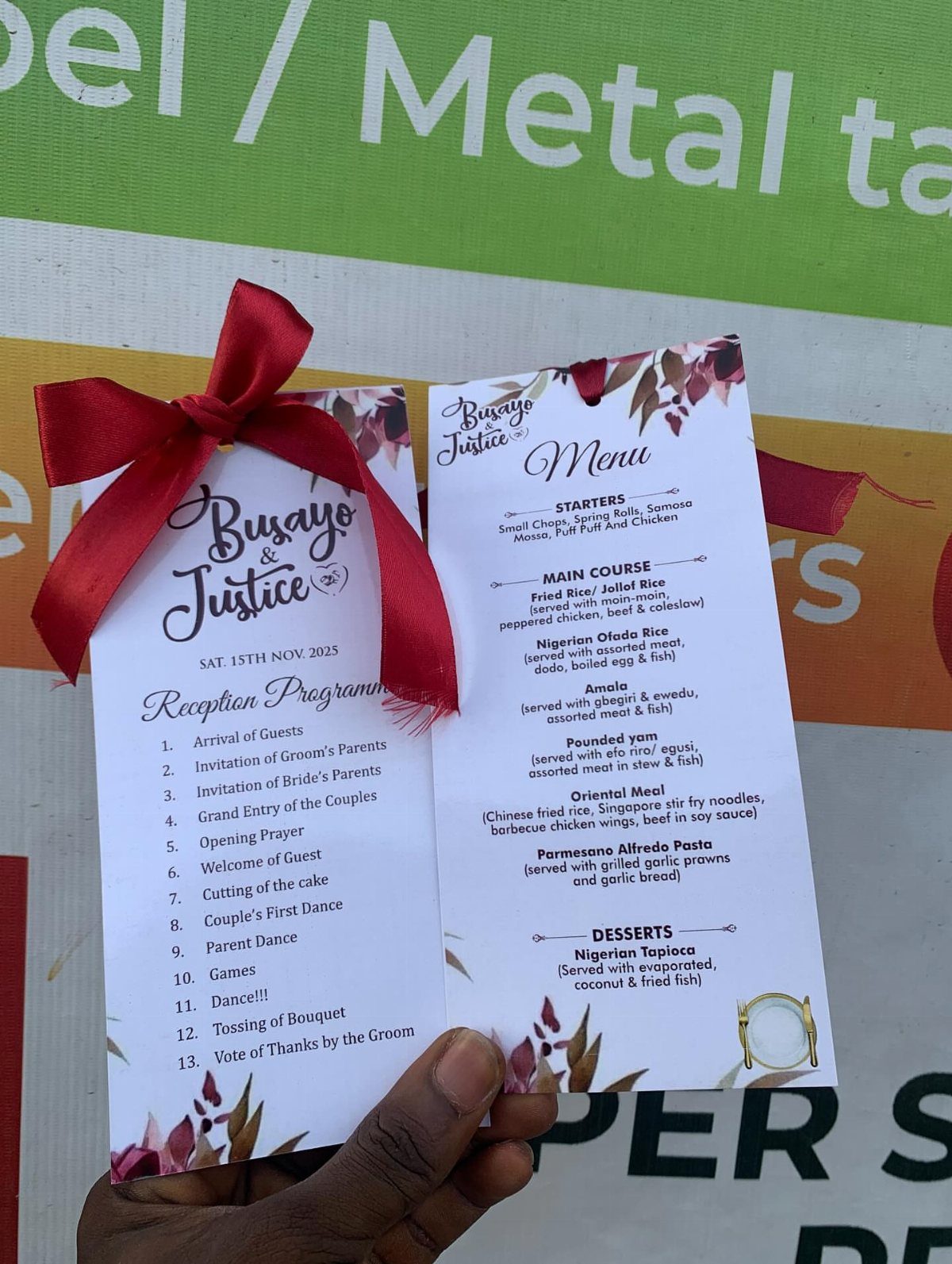
A program tells guests what happens and when, so nobody has to ask. Keep the program to one sheet or a folded card, with the schedule on one side and the menu on the other.
Put the date on it, list each event in order with a time, and print a few extras beyond your guest count. I’d skip it for a casual night in, but for showers and milestone parties it earns its place.
7. Prepare a Signature Cocktail
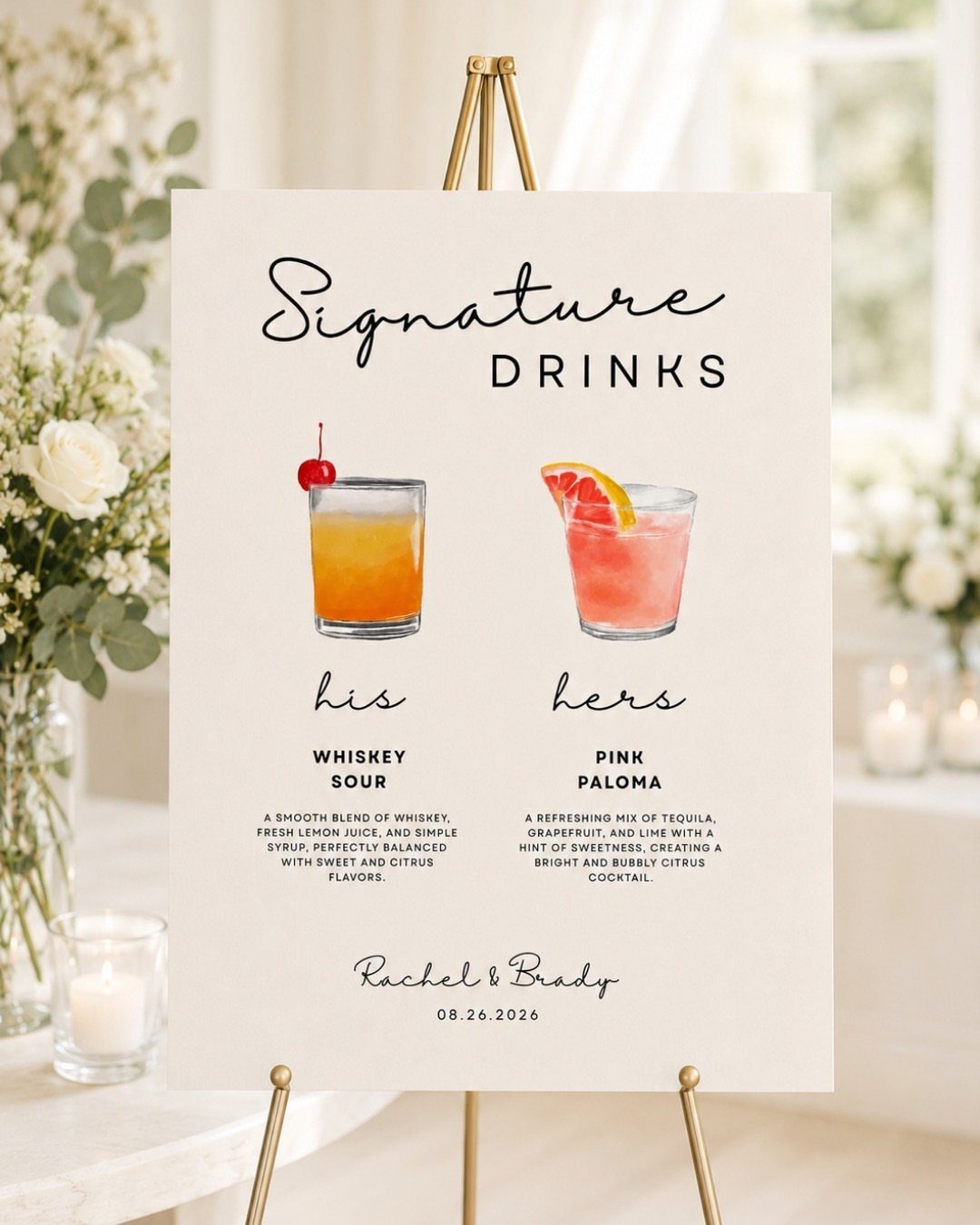
A signature cocktail menu with 2 options, one spirit-forward and one citrus-based, gives guests a choice without requiring a full bar setup.
Pick a pair that differ in color and taste, and name them on a sign with the date so it doubles as decor.
Write the recipe on your checklist, then work out how many glasses you need per guest. Mix a batch ahead and keep it chilled, so you pour instead of measure while people arrive.
8. Use Eco-friendly Supplies
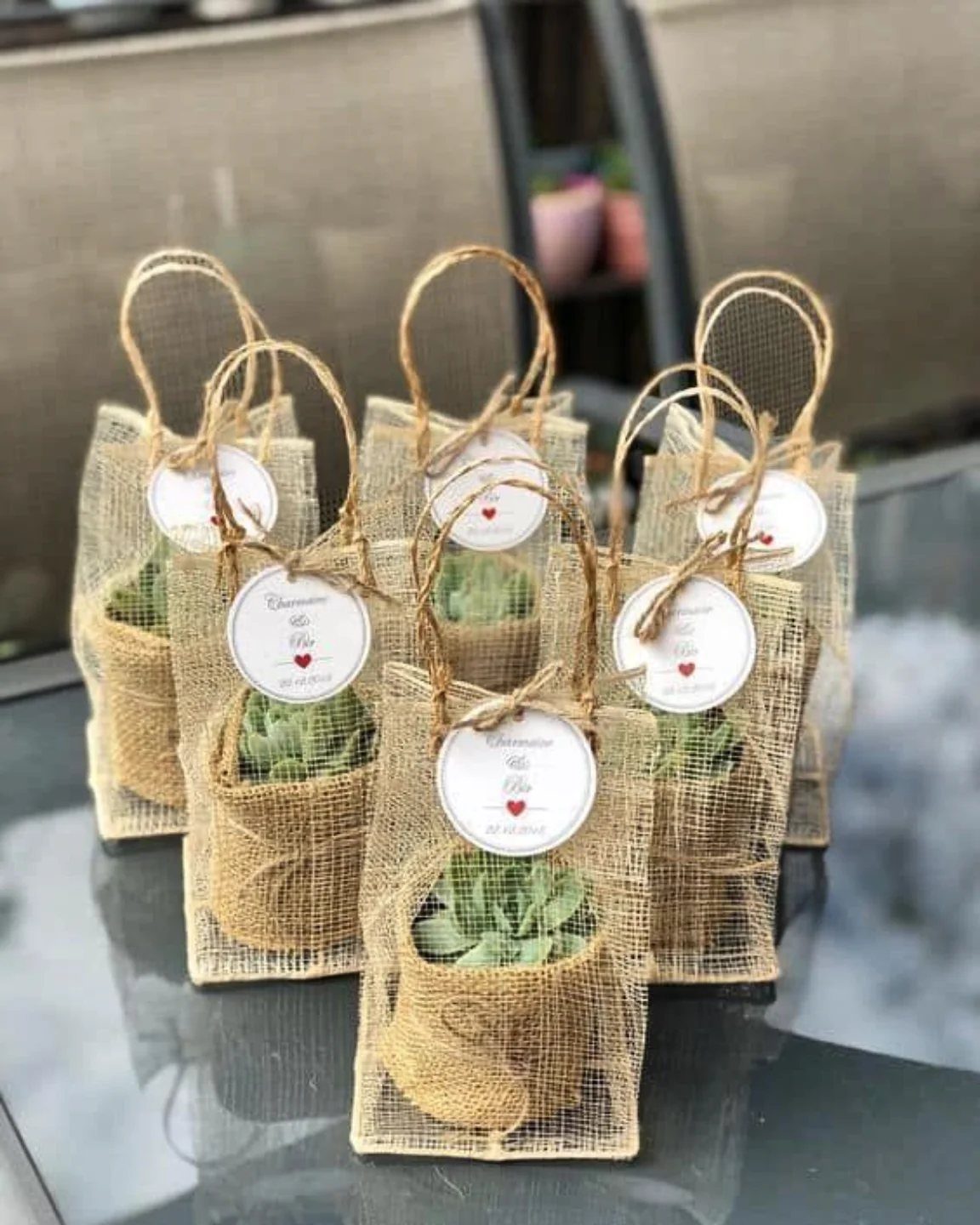
Small living plants make a favor that guests can actually keep. Succulents in burlap wraps, tied with twine and labeled with a round white tag, replace plastic goodie bags with something that grows.
Add each guest’s name to the tag and you have a name card and a favor in one. Buy the plants early so they sit in the light, and wrap them the evening before.
9. Balloons, Streamers, and Centerpieces
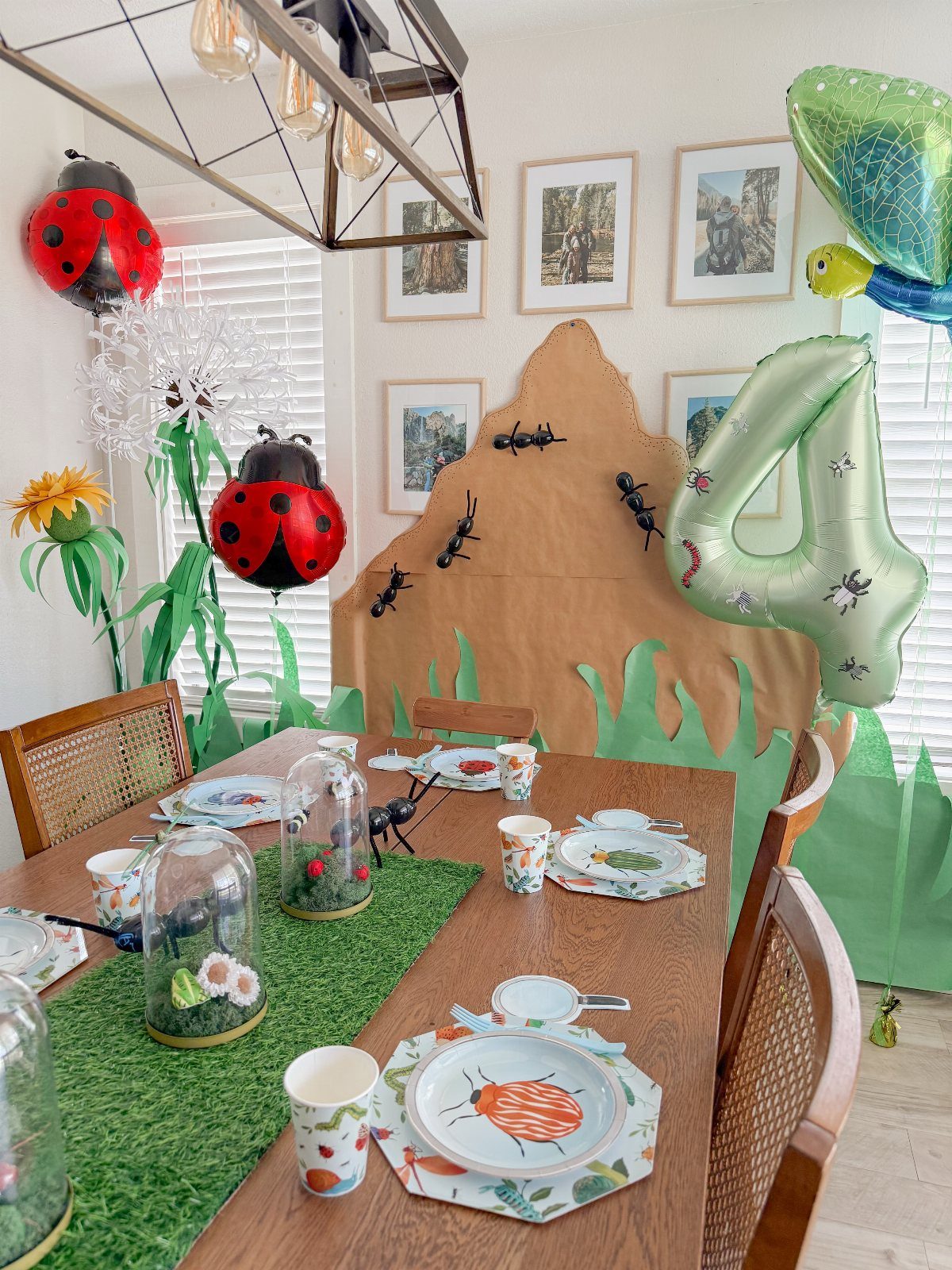
Balloons set the scene fastest, and a number balloon tells everyone whose party it is. A themed table needs only one strong color pairing to work: pick your theme’s main colors and let them repeat down the centerline.
Match plates and cups to the theme, then put the balloons at the edges so they don’t block anyone’s view across the table.
A grass runner covers more table length per dollar than fabric and holds a theme without additional props. Streamers can fill a blank wall for the price of a roll.
Tips for Stress-free Planning
A checklist pays off most when you start it early, because deals get locked in before prices or dates tighten. Dated items beat loose ones: "order plates by Tuesday" gets done, "plates" does not.
Hand off tasks you can describe in one sentence. Someone can pick up ice, greet people at the door, or keep drinks filled, and each of those frees you to host.
If the gathering has 15 or more people, hiring help for greeting, pouring and cleanup is worth pricing out, budget permitting.
Disposable eco-friendly plates and silverware cut the dishwashing that otherwise eats the end of the night. Sparkling wine such as Champagne or Prosecco is an easy pour: guests tend to drink less of it, and a spill leaves no stain.
Plan for something to go wrong, because it will. A calm host usually finds a workaround, and sometimes the fix is better than the original plan.
Importance of a Timeline
Work backward from the start time. Write down when guests arrive, then place each task on a day or hour before it, with the longest jobs furthest out.
Put the shopping and any ordering at the front, the prep in the middle, and only quick jobs on the day itself.
A task you can finish in a few spare minutes belongs near the end of the timeline; anything that needs a trip to the store does not.
Leave a gap of 30 minutes or so before the doors open with nothing assigned. That buffer absorbs the late delivery or the missing lighter, and it gives you time to change clothes and breathe.
Tape the timeline where you will see it, and cross items off as you go. Seeing the list shrink does more for your nerves than any amount of rereading it.
Guest Comfort Considerations
Count seats against your confirmed guest list, and recheck the list the day before for last-minute changes.
The same number tells you how much food and drink to buy, so a late addition is easier to absorb when you know where you stand.
Cover the basics in the bathroom: hand sanitizer, extra tissues and feminine hygiene products. Guests will not ask for them, so stock them before anyone needs them.
Build a small spill kit and keep it out of sight: club soda, a stain remover such as Wine Away, a few rags and a shaker of salt.
Handling a spill in 1 minute keeps it from becoming the story of the night.
Put out a labeled trash can and a recycling bin near the food table, and guests will sort their own cups and plates without having to ask.
Frequently Asked Questions
What are the stages of event planning in order?
Start with the goal and the date, then set a budget, plan the menu and decor, and handle shopping and ordering. Prep comes next, and only quick jobs stay for the day itself.
The wildapricot.com list of 10 steps runs from setting goals and picking a date to managing the event day and judging how it went. Longer jobs go earlier because they leave the least room for mistakes.
What do you need when planning a party?
Pick the theme first; that one choice dictates the plates, the balloon colors and which games make the cut.
Then you need a guest list, a menu with each dish marked as homemade or store-bought, and a timeline worked backward from the start time. For a small gathering, drinks, snacks and ice may be about all the list requires.
Is 40 people a lot for a house party?
It depends on the space, and the number to plan around is confirmed guests, not invitations. Typically 70–80% of the people you invite show up, so 40 invitations often means roughly 28–32 at the door.
Match your seating to the confirmed RSVPs, then check that count again the day before, since it also sets how much food and drink goes in the cart.
How far ahead should I start a party planning checklist?
A early start lets you grab the good rental dates and sale prices before they disappear or climb. Order and buy in the first stretch, do the prep in the middle, and save the 10-minute jobs for party day.
How do I make a party timeline?
Work backward from the start time. Start from the moment guests walk in, then work backward, putting the slowest tasks on the earliest days and the quick ones close to the doorbell.
Leave about 30 minutes with nothing assigned before the doors open, so a late delivery or a missing lighter doesn’t throw you off.